

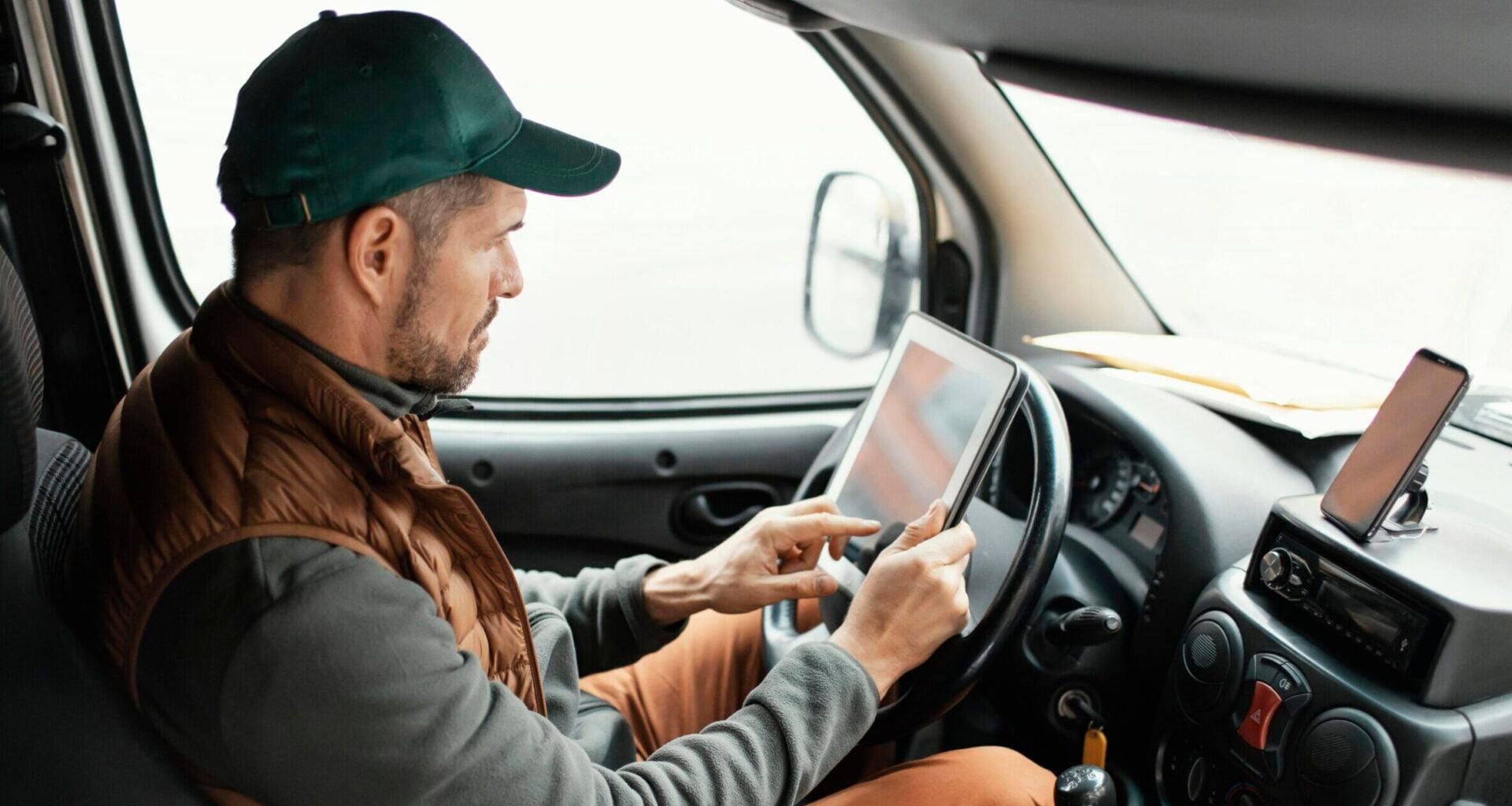

For many small businesses that rely on vehicles, growth tends to hit a familiar wall. More jobs come in, schedules fill up and suddenly the only obvious solution seems to be hiring more drivers. That means more routes, more people, more overhead. But that path adds costs quickly and introduces even more challenges in scheduling, coordination and management.
Take free expert-led courses and unlock access to tools, mentorship, networking, and Verizon grant opportunities for small businesses.


What if growth didn’t have to mean adding staff?
GPS fleet tracking offers a different way forward. Instead of expanding your workforce, it helps you unlock the full potential of the drivers and vehicles you already have. With better visibility and tighter coordination, businesses can take on more work, complete more jobs and move faster throughout the day without increasing headcount.
It begins with real-time location tracking. Knowing exactly where each vehicle is removes the need for guesswork. Managers don’t have to rely on phone calls or delayed updates to understand what’s happening in the field. They can make decisions based on live information, no matter if that means reassigning a job or giving a customer a more accurate arrival time.
Once that visibility is in place, route efficiency becomes easier to improve. Drivers often fall into routines, taking familiar routes that may not be the most direct. With tracking data, it becomes clear where time is being lost. Adjusting routes to reduce unnecessary mileage shortens travel time between stops, which creates room in the schedule for additional jobs.
Idle time is another area where small changes make a difference. Vehicles that sit running between assignments or wait longer than necessary at job sites reduce overall productivity. GPS tracking highlights these patterns so they can be addressed directly. Tightening up gaps in the schedule helps drivers stay active and keeps the day moving.
Dispatching naturally improves as well. Instead of relying on a fixed plan created at the start of the day, dispatchers can assign work based on where drivers are located. Sending the closest vehicle to the next job cuts down on travel time and reduces delays. It also makes it easier to handle unexpected requests without disrupting the rest of the schedule.
This kind of flexibility is especially useful for small teams. When every driver is used efficiently, it becomes possible to take on more work without stretching resources. Jobs that might have been turned away before can now fit into the day with minimal disruption.
In addition to daily operations, the data collected through GPS tracking also provides a clearer picture of how the fleet is performing as a whole. Patterns begin to stand out, whether it’s routes that consistently take longer than expected or time slots where vehicles are underutilized. With that information, adjustments can be made to improve scheduling and balance workloads.
There’s also a noticeable impact on accountability. When routes and activity are visible, expectations are clearer for everyone involved. Drivers tend to follow assigned routes more closely, and managers have a better understanding of how work is being completed throughout the day. This consistency helps maintain service quality without requiring constant oversight.
At the center of all of this are tools like GPS tracking devices, which collect and transmit the data that makes these improvements possible. They provide the foundation for better decisions, faster adjustments and more efficient operations.
Growth does not always require more people. In many cases, it comes from using existing resources more effectively. GPS fleet tracking helps small businesses do exactly that by improving how work is planned, assigned and completed.
By improving routing and making dispatching more responsive, businesses can increase output without increasing labor. That shift allows teams to take on more work while keeping operations manageable and costs under control.
Image by freepik