

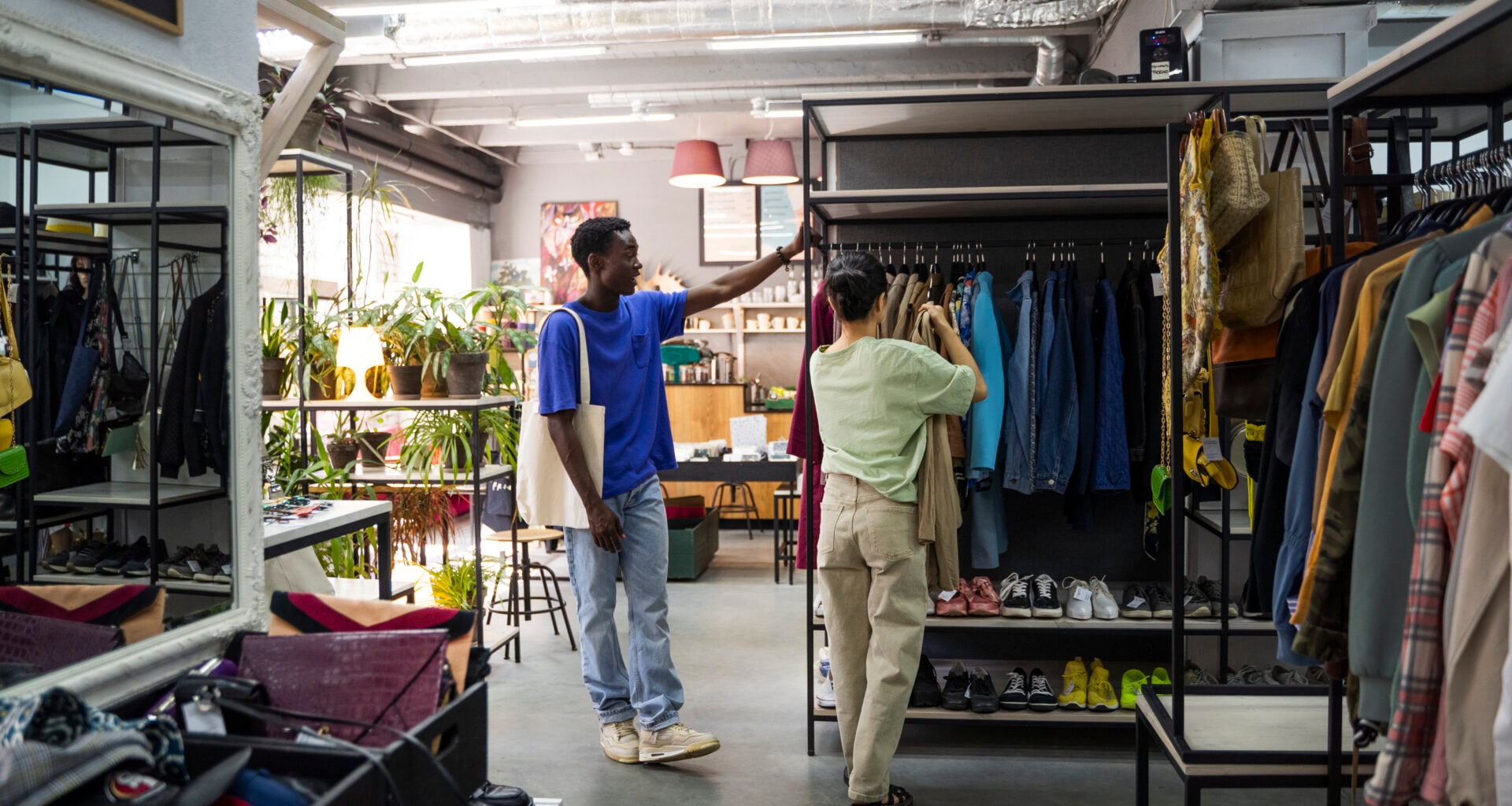

Most retail owners and store development leaders put a lot of thought into an opening, from location and layout to product mix and the first week of sales. What separates stores that build momentum from those that stall, however, is what happens in every phase that follows—and whether the owner treats the entire process as a connected sequence or a collection of separate problems to solve one at a time.
Build Your Business. Get Grant Ready.
Take free expert-led courses and unlock access to tools, mentorship, networking, and Verizon grant opportunities for small businesses.
 We earn a commission if you make a purchase, at no additional cost to you.

Take free expert-led courses and unlock access to tools, mentorship, networking, and Verizon grant opportunities for small businesses.
The Four Stages and Why They’re Connected
Planning, design, construction, and ongoing management represent the retail store lifecycle. Each phase informs the next. Retailers who recognize that connection early tend to make smarter decisions throughout the store development and management process.
Planning is where the lifecycle either gets a solid foundation or it doesn’t. Site selection decisions based on real data, foot traffic patterns, demographic fit, lease terms assessed with the help of lease management services, and proximity to complementary businesses tend to produce better outcomes than decisions driven by availability and gut instinct alone.
Retailers who connect planning data to design decisions—and design constraints to construction budgets—can reduce rework and deliver locations closer to budget.
Design follows planning, and what it produces depends heavily on the information available from the previous phase. When a layout is built around incomplete information, poor decisions tend to surface during construction or after opening rather than during design, which is the worst possible time to discover them.
Layouts that reflect how customers actually move through a space, where their attention concentrates, and where it doesn’t come from designers working with good data and a clear understanding of the store’s goals.
Construction and the Domino Effect
Build-out is where every planning and design decision becomes permanent—and where gaps in earlier coordination begin showing up as real costs.
Permit complications, revisions that should have been caught during design, and contractor conflicts that nobody planned for don’t stay contained. A single-store build-out absorbs them as budget overruns and schedule delays. A multi-site rollout can turn one delay into a cascade that affects every opening that follows.
Even experienced construction managers can face schedule compression when design documentation is incomplete or isn’t aligned with current cost data. When documentation is complete and coordinated, contractors tend to move faster and ask fewer questions.
Much of the speed and cost of construction is determined before the first wall goes up—a reality worth understanding before the permits are pulled.
Managing the Store as a Living Asset
The management phase is where attention tends to drift after the excitement of opening fades. It’s also where a durable competitive advantage can develop.
A store that opens well can still underperform for years when the owner moves on to the next priority rather than staying engaged with what the existing location is actually doing.
The real performance data an open store generates can be considerably more valuable than projections produced during planning. Traffic patterns shift. Buying behavior changes in ways that weren’t anticipated. The assortment that drove strong early sales may need adjustment after a full year of actual results.
Retail owners and operators who feed what they learn from one store back into how they plan the next one can build an operational advantage that compounds with every location added.
This feedback loop—from management back into planning—is the part of the retail lifecycle that many industry professionals never fully use. Think of it as a continuous cycle: plan, design, build, manage, and then use what the management phase reveals to make the next round of planning sharper.
How Post-Opening Engagement Determines Long-Term Store Performance
A store is an asset that rewards ongoing attention, and retail owners and development leaders who approach it that way tend to see meaningfully different results from those who treat opening day as the finish line.
The retail store lifecycle does not end when the doors open. For retailers that consistently outperform, that’s when some of the most valuable learning begins.
Image by magnific